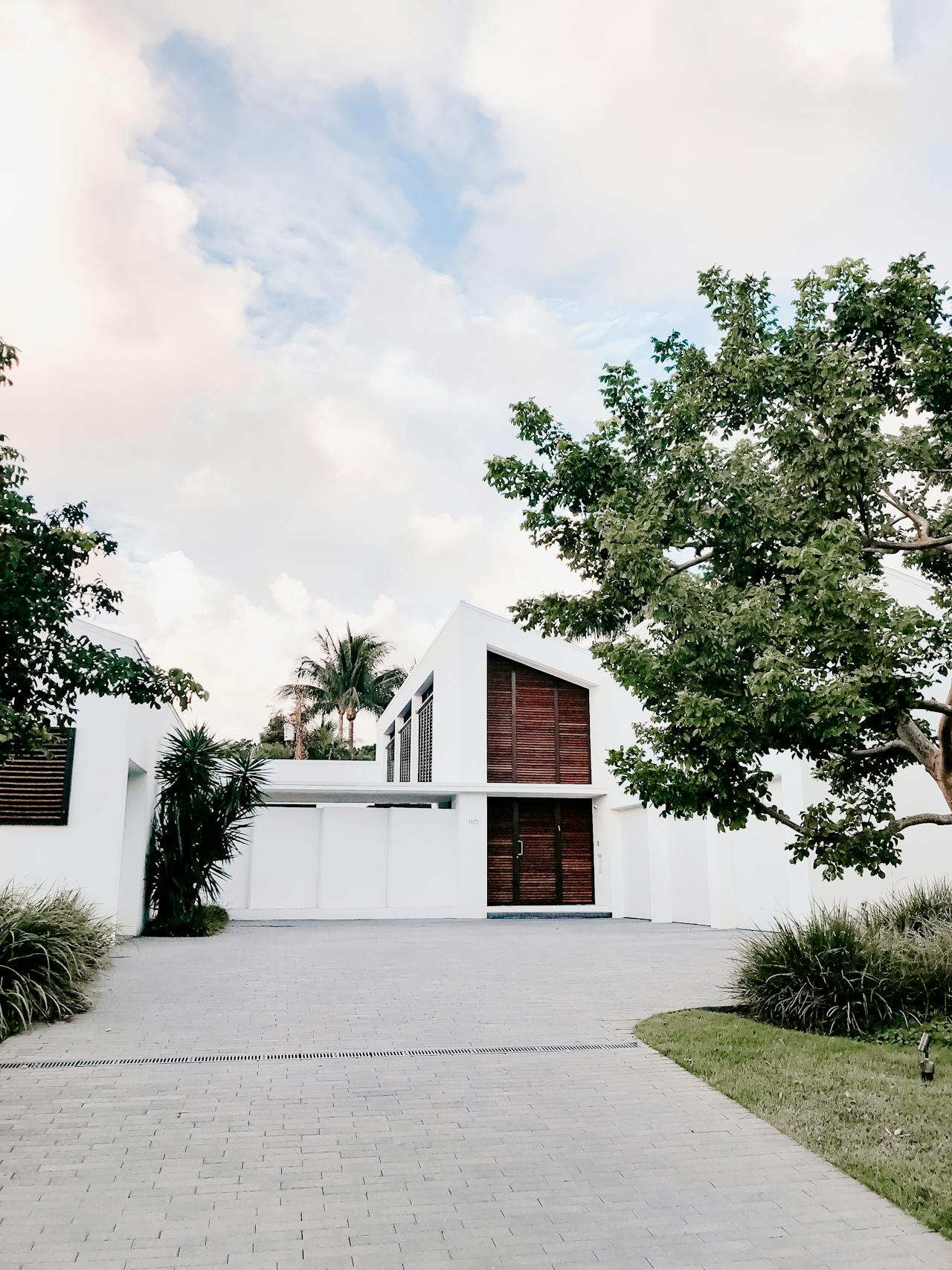
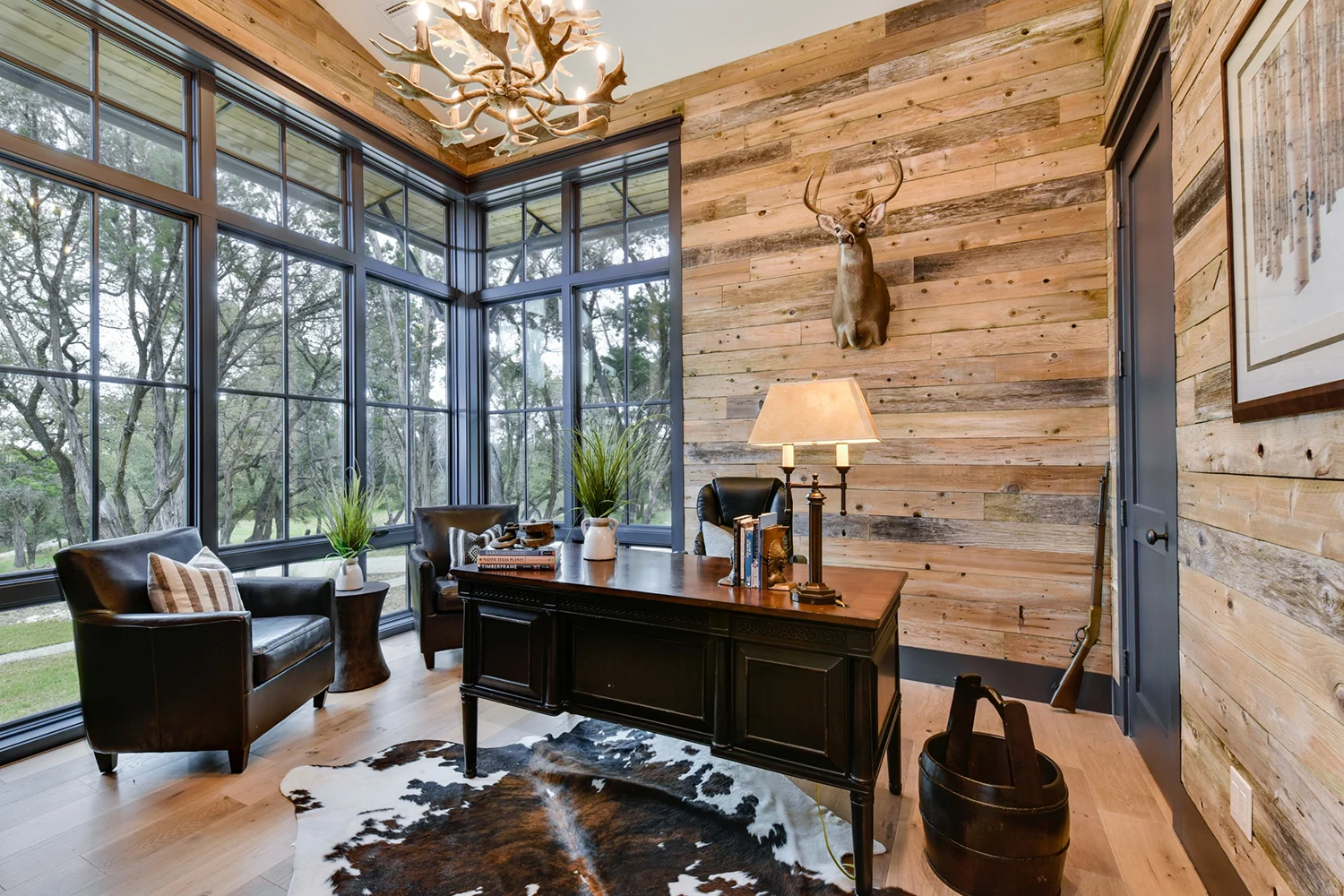
New construction and resale homes in Denton County are compared primarily on three factors: total price after incentives, the condition and age of the major systems, and how much negotiating room a buyer actually has once financing is included. Statewide, the price gap between a new build and a comparable existing home has narrowed to roughly fifteen thousand dollars, which means the decision now comes down to what each option is quietly costing or saving a buyer beyond the number on the sign.
I have this conversation with a buyer almost every week, usually somewhere around Canyon Falls or Harvest, standing in a model home that smells like fresh carpet, trying to decide whether to sign with the builder in front of them or keep looking at resale listings a few streets over. After 29 years of walking Denton County buyers through exactly this decision, here is what actually matters once you get past the finishes and the floor plan.
Who Actually Wins the Price Comparison Right Now
The old assumption, that new construction always costs meaningfully more than resale, does not hold the way it used to. Builders have spent the last two years adjusting lot sizes, floor plans, and incentive packages specifically to close that gap, and in a lot of Denton County communities they have succeeded. That does not mean every new build is a bargain. It means the sticker price alone tells you very little, and the real comparison has to include what the builder is throwing in versus what a resale seller is willing to negotiate.
What the Builder's Warranty Actually Covers
Almost every reputable builder in Denton County backs a new home with what the industry calls a 1-2-10 warranty. One year of coverage on workmanship and materials, the paint, trim, and finishes you actually touch every day. Two years on the major mechanical systems, electrical, plumbing, and HVAC. Ten years of insurance backed coverage on the structural components, the foundation and framing. In a county where the clay soil under nearly every slab expands and contracts with the seasons, that ten year structural window is not a minor perk. It is real protection against the single most expensive thing that can go wrong with a Texas home, and a resale home simply does not come with it unless it was built recently enough to still be inside that same window.
The Agent Question Nobody Explains at the Model Home
Here is something most buyers do not realize until they have already toured three or four communities. The friendly representative at the model home works for the builder. Not for you. Their job is to sell that specific inventory at that specific community, and while most of them are perfectly professional, they are not the person negotiating on your behalf. Under Texas law, an agent has to have a signed buyer representation agreement in place before they can formally advise you, which means walking into a model home without your own agent already established is walking in without anyone whose job is protecting your side of the deal. The part that surprises most buyers: the builder pays that agent's commission, not you. Bringing your own representation to a new construction purchase in Denton County almost never costs the buyer anything extra.
Where the Denton County New Construction Is Actually Happening
Canyon Falls and Harvest remain the two most active master planned communities carrying new construction into Argyle and Northlake, with builders like Ashton Woods, Coventry Homes, and Drees Custom Homes in Canyon Falls, and Highland Homes, David Weekley, D.R. Horton, and Perry Homes building across Harvest's newer sections. Pecan Square and The Ridge at Northlake have both become real alternatives for buyers who want a similar lifestyle at a different price point, and Furst Ranch continues to open new phases further out. Each of these communities has its own builder mix, price range, and incentive rhythm, which is exactly why comparing them by neighborhood reputation alone leaves out most of what actually determines your monthly payment.
The Incentive Timing Most Buyers Miss
Builders are not equally motivated every month of the year. Public builders in particular close their books quarterly and their fiscal year typically in December, which means the strongest incentive packages tend to show up in the final weeks of those windows, when a community needs to move standing inventory before the numbers get reported. Rate buydowns are the incentive doing the most work right now, with two one temporary buydowns and permanent discount points both common, and a typical buydown saving three hundred to five hundred dollars a month in year one on a home in the mid three hundred thousands. Homes that are complete or nearly complete carry bigger incentives than homes still in framing, because the builder is more motivated to close them out.
The Tax Bill That Surprises New Construction Buyers
I have written about this in more depth elsewhere, but it deserves a mention here specifically because it is the single most common surprise I see with new construction buyers. Many of Denton County's newer master planned communities, including sections of Canyon Falls, Harvest, and similar developments, carry a Municipal Utility District assessment, which typically adds another thirty to forty cents per hundred dollars of value on top of the standard county, school, and city rate. That number rarely shows up clearly in a builder's advertised monthly payment estimate, and it is the exact kind of detail that turns an attractive new construction payment into something noticeably higher once the first full tax bill arrives.
What Resale Still Wins On
None of this means new construction is automatically the right call. Resale homes offer something a brand new community cannot manufacture: an established location, mature trees, a real sense of what the neighborhood actually feels like day to day, and far more room to negotiate on a single property, especially in a market where resale sellers are genuinely competing with builder incentives for the same buyer. If your priority is a specific school zone with a long track record, a shorter commute into an already developed part of the county, or simply more flexibility on price and repairs, resale still has a real advantage that no amount of builder financing changes.
The right answer is never universal, and I would be doing you a disservice if I pretended otherwise. It depends on the specific community, the specific lot, the specific builder's current incentive posture, and how that stacks up against the specific resale homes actually available in the same school zone right now. That comparison only means something when it is run against real, current numbers for the exact address you are considering, not a general rule of thumb.
This is the comparison I run for every buyer trying to decide between a new build in Canyon Falls or Harvest and a resale home in an established Flower Mound or Argyle neighborhood, because the right answer almost always comes down to the specific numbers, not a general preference for new or old.